Understand the PDG
What the PDG is, how it came about, how it underpins the PNPCA, and how training support its use.
What is the PDG?
The Preliminary Design Guidance for Proposed Mainstream Dams in the Lower Mekong River Basin (PDG) is one of the MRC’s most important technical instruments. It sets out performance targets and design principles to avoid, minimise and mitigate the environmental, social and safety risks of proposed mainstream hydropower dams. The PDG focuses on regional and transboundary issues.
Purpose
The PDG gives developers, Member Countries and their consultants a common technical reference for the design and operation of mainstream dams and gives the MRC a consistent basis for reviewing project proposals. It is intended to be used early — during project preparation — so that risks are designed out rather than mitigated after the fact. The PDG also applies to the operational phase, post construction.
What the PDG is, and is not
- It is guidance. The PDG provides performance targets and good-practice design and operating principles. It is not a binding regulation and does not, in itself, approve or reject a project. It does not replace national laws and regulations. It focused on transboundary issues and does not cover environmental and social issues confined within a nation’s borders, for example resettlement.
- It underpins the PNPCA. The PDG provides the technical benchmarks used when a proposed mainstream dam is reviewed through the Procedures for Notification, Prior Consultation and Agreement (PNPCA).
- It is basin-wide. It reflects the shared interests of Cambodia, Lao PDR, Thailand and Viet Nam in a healthy, productive and safe Mekong mainstream.
How it is structured
The PDG 2022 is organised into eight technical topics: hydrology and hydraulics; sediment transport and geomorphology; water quality; aquatic ecology; fish and fisheries; dam safety; navigation; and riparian communities and river-based livelihoods. Each topic sets objectives, performance targets and design or operating principles.
How the PDG developed
The PDG has evolved with the basin. First issued in 2009, it was comprehensively updated through a five-year process involving all four Member Countries, culminating in endorsement by the MRC Joint Committee and Council in September 2022 and publication in February 2023. The timeline below marks the key milestones.
-
2003
PNPCA adopted. The Procedures for Notification, Prior Consultation and Agreement come into force — the process the PDG would later support.
-
2009
First PDG issued. The original Preliminary Design Guidance for proposed mainstream dams is published, covering hydrology, sediment, water quality, fisheries, navigation and dam safety.
-
2010–2011
First application. The PDG 2009 is applied in the Xayaburi Prior Consultation — the first mainstream PNPCA case.
-
2018
Evidence base. The MRC Council Study and related assessments deepen the science underpinning a PDG update.
-
2018–2022
Five-year update. A comprehensive revision is carried out with all four Member Countries; the scope is expanded to eight technical topics.
-
Sep 2022
Endorsed. The MRC Joint Committee and Council endorse the updated PDG 2022.
-
Feb 2023
Published. The PDG 2022 is released and the phased dissemination programme begins.
-
2023
National dissemination. National dissemination meetings are held across the four Member Countries.
-
2024
Thematic training. Training on riparian communities and livelihoods, with a site visit to Pak Ou village.
-
2025
Dam safety workshop. A Regional Training Workshop on Dam Safety, with a site visit to Nam Ngum 1 Dam.
-
2026
Resource Hub launch. Member Countries recommend, and the MRCS launches, this PDG Resource Hub.
PDG & the PNPCA
Preliminary design guidance
The Joint Action Plan is aimed to provide mechanisms for ongoing feedback, data exchange, and knowledge sharing during project design, construction, and operation phases.
Agreed Statement
- Agrees on measures that include actions to optimise project benefits, and avoid, minimise, and mitigate potential transboundary harmful effects
- Covers final design, construction, and operational phases
Joint Action Plan (JAP)
- Provides a post-Prior Consultation process mechanism for ongoing exchange of data and information with regard to the ongoing design, construction and operation of the project.
- Aims to implement measures agreed in the Statement of the Prior Consultation process to avoid, minimise and mitigate the potential impacts of the project.
- 6-month Prior Consultation Process
- 6-month Prior Consultation Process
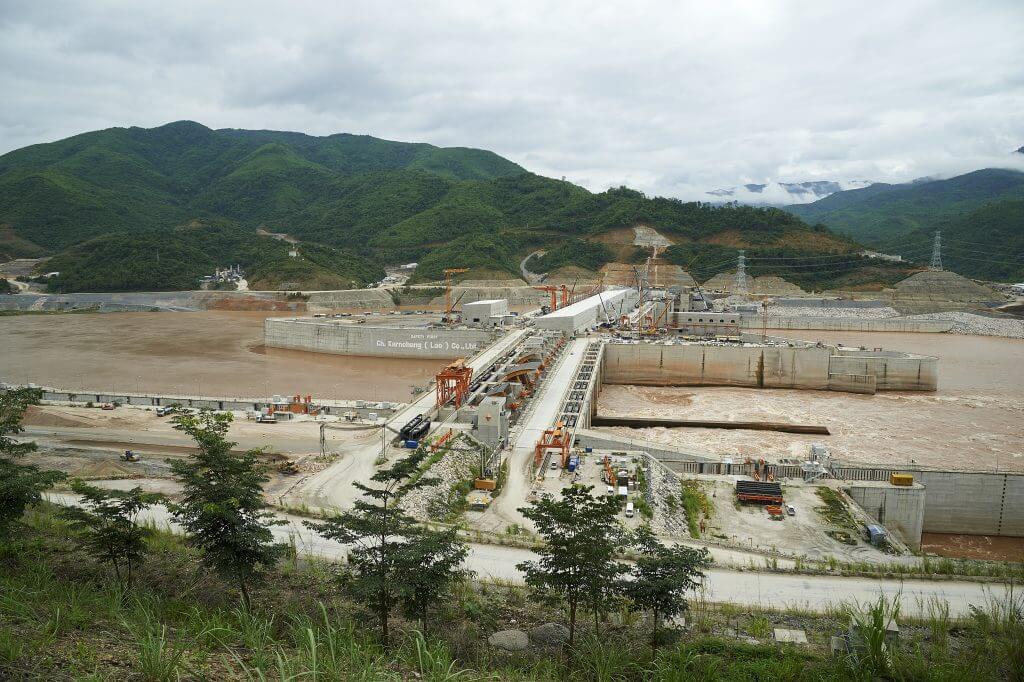
- Pak Beng 20 Dec 2016 Finished 19 Jun 2017
- Pak Lay 18 Jun 2018 Finished 04 Apr 2019
- Luang Prabang 08 Oct 2019 Finished 30 Jun 2020
- Sanakham 30 Jul 2020 Undetermined
- Phou Ngoy Phou Ngoy project is undergoing prior consultation under the PNPCA.
- Council study, Redesign of the project
- Joint environmental monitoring
- Agreed statement and JAP
- Agreed statement and JAP
- Agreed statement and JAP

Who should use it
Developers, operators, consultants, regulators, policymakers, academics and civil society across the four Member Countries and beyond.
How to use this hub
Browse the topic pages for the guidance and reference documents; watch short training videos; read case studies of the PDG in practice; ask the PDG assistant a question and get an answer drawn from the PDF library; and get in touch with the MRC. The full PDG 2022 report is available to download at any time.
Training
The MRCS offers a range of training activities to support implementation of the PDG — from introductory online sessions with MRCS staff and experts, which you can join at your own time, to in-person workshops.